Anti Aliasing
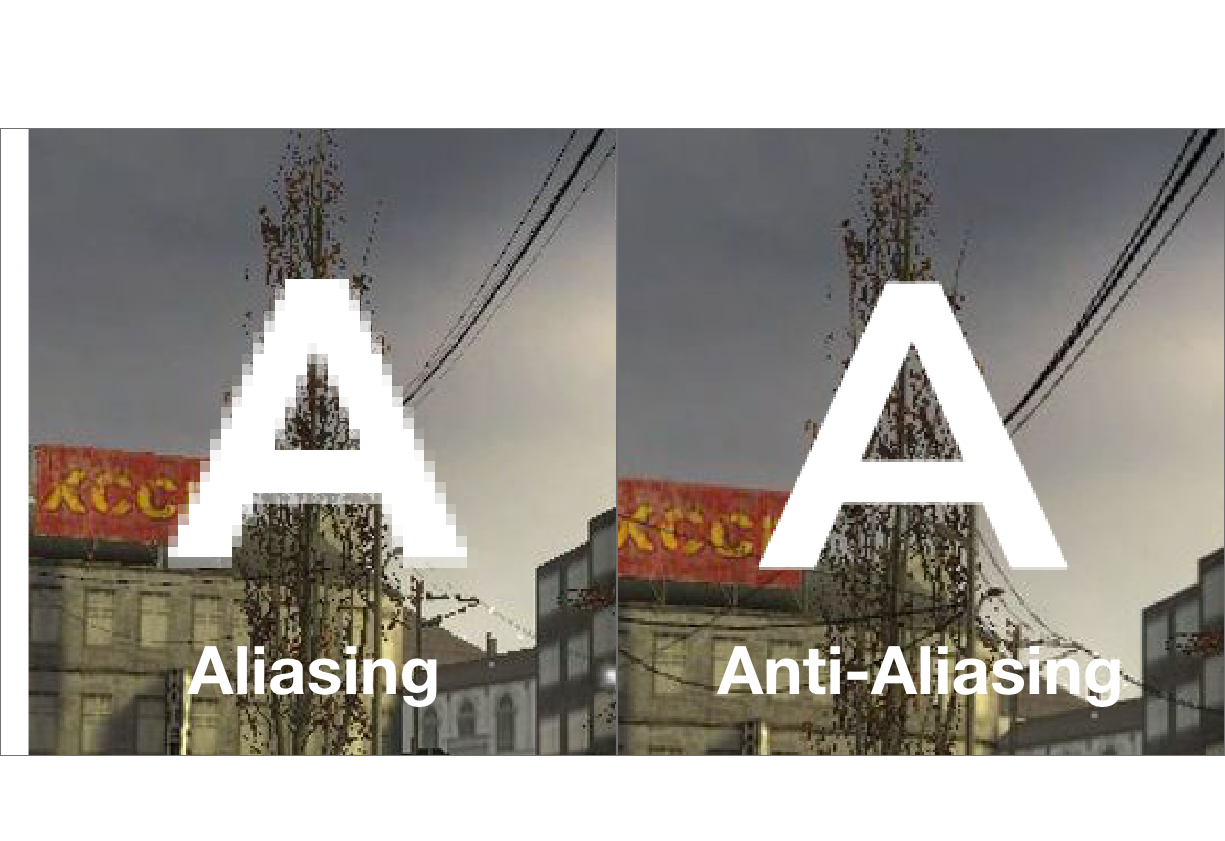
Anti aliasing is a crucial technique in digital imaging and real time graphics that smooths jagged edges to create cleaner, more realistic visuals. Whether you are adjusting settings in a video game, editing a photograph, or optimizing icons for a website, understanding how anti aliasing works helps you balance visual quality with performance. This guide explains the core ideas behind anti aliasing, common methods, and practical tips for getting the best results.
What is anti aliasing and why does it matter
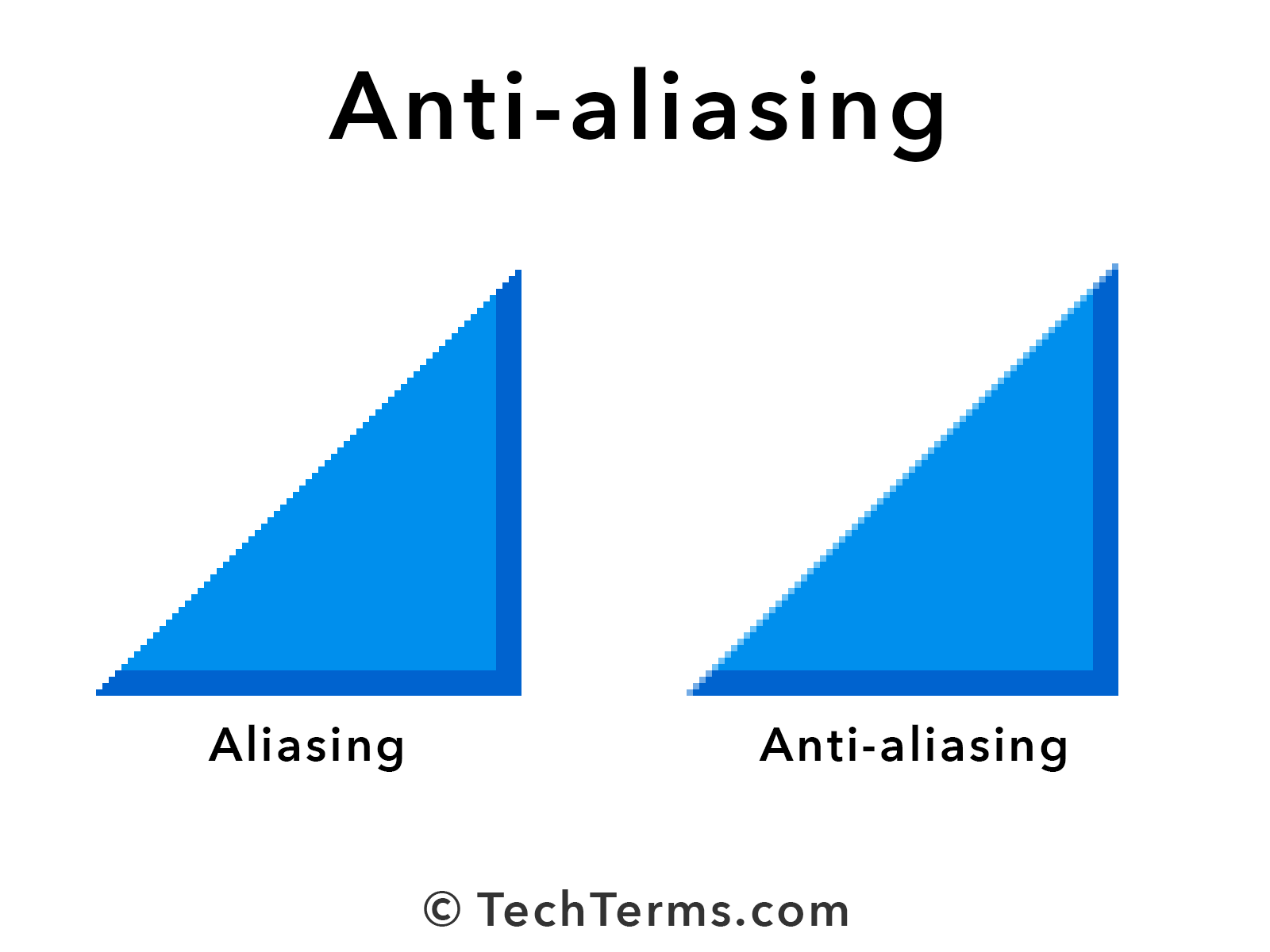
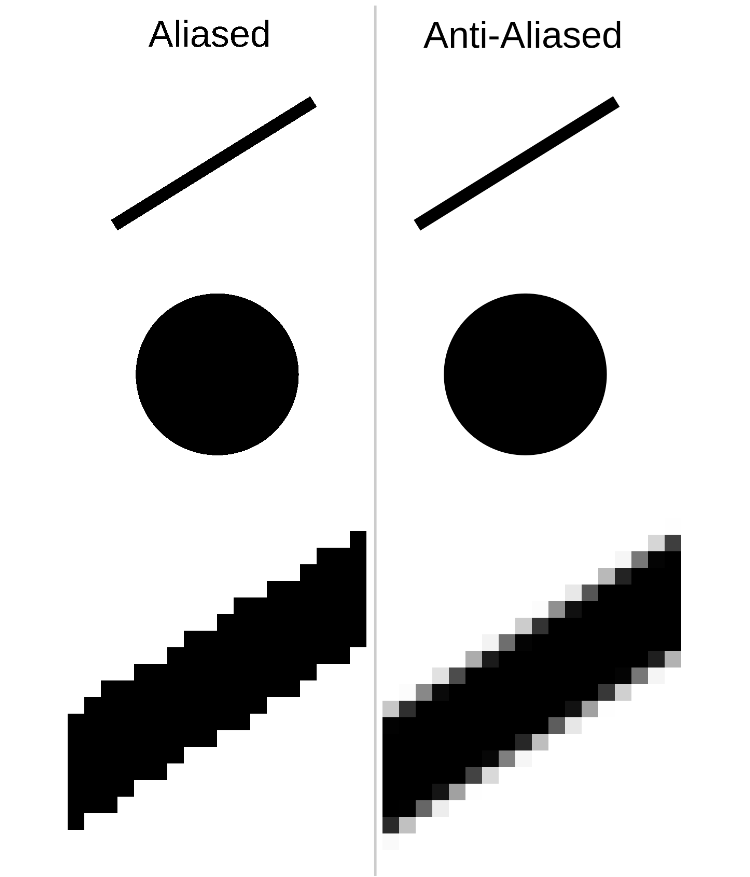
At its simplest, anti aliasing refers to methods that reduce the harsh stair step effect, often called aliasing, along diagonal or curved lines on a screen. Because pixels are square, sharp angles and fine details can appear jagged, especially at lower resolutions. Anti aliasing uses color blending and sampling tricks to soften these edges, making objects look smoother and more natural. For gamers, designers, and everyday users, this means less visual noise and a more immersive experience.
There are different levels of anti aliasing, from simple techniques that are fast but less refined to advanced methods that deliver premium image quality at a higher performance cost. Knowing the difference helps you choose the right approach depending on whether you prioritize speed, image fidelity, or battery life. By learning how each method works, you can make smarter decisions about when to enable or tweak anti aliasing in your projects.
Common types of anti aliasing methods
Several popular anti aliasing techniques are used in games, graphic editors, and rendering engines, each with its own strengths and trade offs. Understanding these methods makes it easier to tune settings for the best balance between sharpness and smoothness.
- FXAA (Fast Approximate Anti Aliasing) is a screen space filter that quickly smooths edges by analyzing surrounding pixels. It is lightweight and works well at higher frame rates, though it can slightly blur fine details.
- MSAA (Multisample Anti Aliasing) improves image quality by sampling multiple points within a single pixel along edges. It preserves more detail than FXAA but requires more video memory and processing power.
- TAA (Temporal Anti Aliasing) combines information from previous frames to reduce jitter and smooth edges over time. It is effective at higher resolutions but can introduce ghosting if motion vectors are not accurate.
- CSAA and EQAA are vendor specific variants that aim to improve performance and coverage of multisampling. They are commonly found in modern graphics APIs and can offer better efficiency without a major quality drop.
In addition to these, some engines use custom blends of the above methods, allowing artists and developers to fine tune the amount of anti aliasing based on the scene complexity and target hardware.
How anti aliasing affects performance and image quality
Enabling anti aliasing usually means the GPU has to do extra calculations, which can reduce frame rates, increase latency, or consume more battery on mobile devices. Simple filters like FXAA are designed to minimize this impact, while heavy approaches like MSAA with high sample counts can demand significant resources. It is important to test different settings on your specific hardware to find the sweet spot between performance and visual quality.
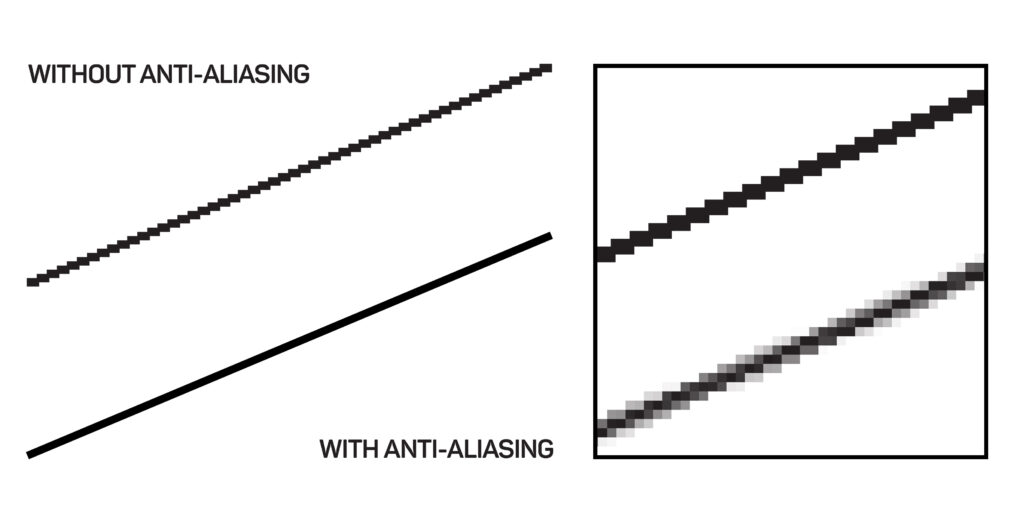
From an image quality perspective, the right anti aliasing method makes lines look cleaner, reduces distracting flicker, and improves the overall clarity of text and fine patterns. However, too aggressive smoothing can erase crispness, create unintended blurring, or introduce artifacts such as ghosting or color fringing. Balancing these factors is especially important in competitive games where both responsiveness and visual fidelity matter.
Anti aliasing in photography and graphic design
In photography and digital illustration, anti aliasing often appears when you resize, rotate, or export images for web or print. Most design tools include smart anti aliasing options that blend edge colors to prevent jagged pixels while preserving important details. Choosing the right resampling method, such as bicubic or Lanczos, can work alongside anti aliasing to keep images looking sharp and smooth.
For icons, logos, and UI elements, subtle anti aliasing ensures that lines remain readable at small sizes. Designers sometimes manually adjust edges, use vector shapes, or apply selective sharpening after anti aliasing to maintain clarity across different screens and densities. Understanding these techniques helps you produce visuals that look professional both on high resolution displays and on mobile devices.

Tips for choosing and tuning anti aliasing settings
If you are adjusting anti aliasing in a game or creative application, start with the default preset recommended by the software, then tweak based on your priorities. Consider the following points when optimizing settings.
- Match the sample count to your GPU capability, using lower counts if you need higher frame rates.
- Prefer temporal methods for stable scenes, and switch to lighter filters like FXAA for very fast action sequences.
- Monitor for unwanted blur or ghosting, and reduce strength or change algorithms if these appear.
- Test on both high resolution and lower resolution screens, since the visibility of aliasing varies with pixel density.
- Keep drivers and rendering libraries up to date to benefit from improved anti aliasing optimizations.
For users who stream, record gameplay, or create content, it is also helpful to compare recordings with different anti aliasing modes. This makes it easier to see how each setting affects perceived sharpness, edge smoothness, and overall visual comfort.
The future of anti aliasing and display technologies
As screens evolve with higher refresh rates, better pixel layouts, and increased resolutions, anti aliasing techniques continue to advance. Modern approaches combine machine learning, advanced sampling, and display specific corrections to deliver smoother edges with minimal performance impact. Variable rate shading and improved temporal reconstruction are just a few innovations that help maintain image quality even in demanding scenarios.
Moreover, the rise of high DPI displays, virtual reality, and large scale professional visualizations keeps anti aliasing relevant across many industries. By understanding the fundamentals and experimenting with different methods, creators and users can ensure their visuals remain sharp, smooth, and ready for the next generation of displays.
In conclusion, anti aliasing plays a vital role in making digital images look smoother and more natural by reducing jagged edges and visual noise. From gaming rigs to design workflows, choosing the right anti aliasing strategy can dramatically improve perceived quality without overwhelming your hardware. With a clear understanding of the available methods and a willingness to fine tune settings, you can enjoy cleaner visuals and a more polished experience in almost any visual medium.
What is Anti Aliasing (AA) as Fast as Possible
AA or Anti Aliasing reducing the "jaggies" that make things (particularly games) look less life-like and more like a computer ...
