Angel Dusting
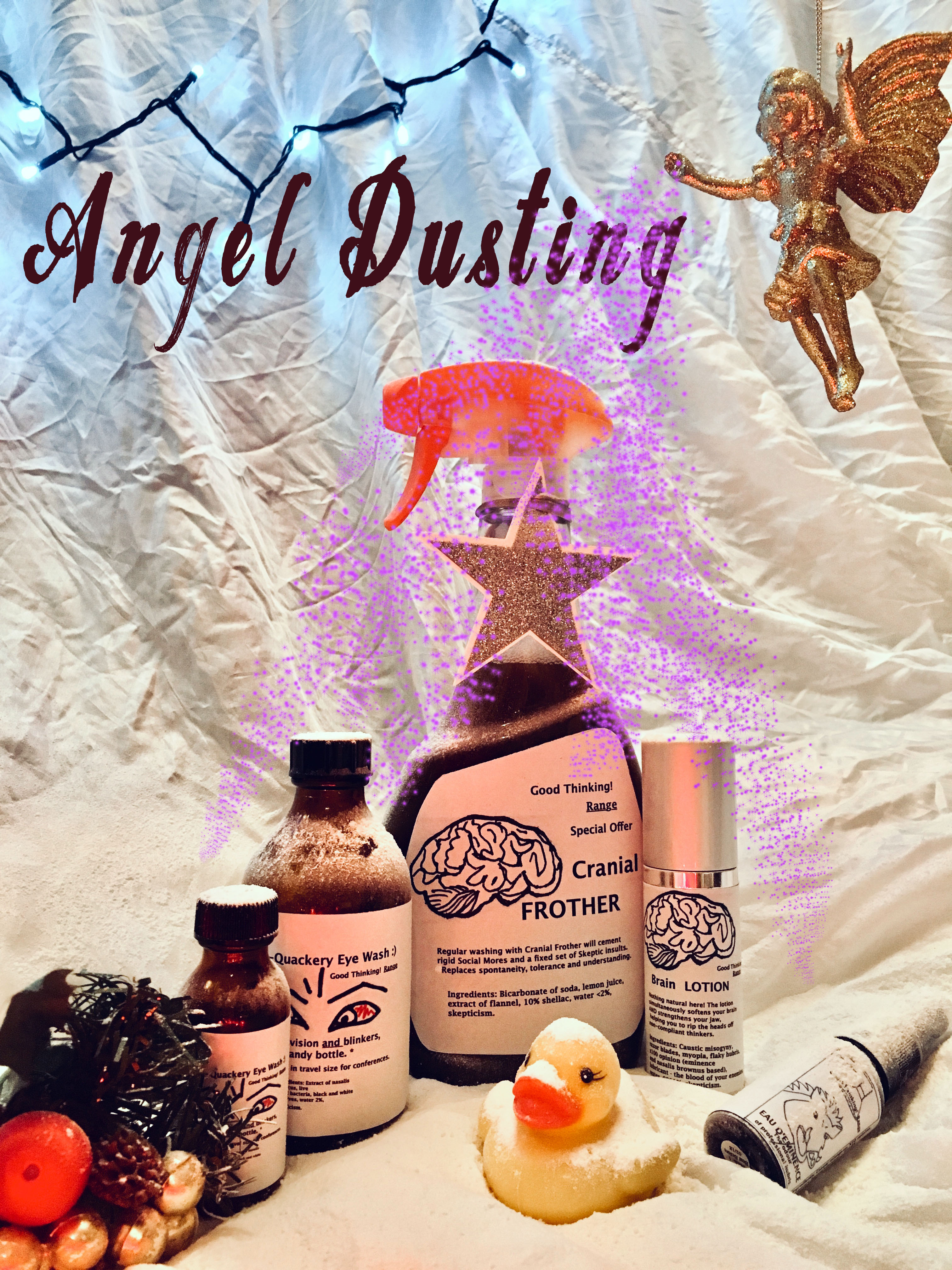
Angel dusting is a controversial practice where a product contains only a trace or no active ingredient at all, yet is marketed as if it delivers meaningful benefits, and understanding this deceptive tactic is essential for any informed consumer.
What Exactly Is Angel Dusting
At its core, angel dusting refers to a formulation that includes such a minuscule amount of an active compound that it is unlikely to provide any measurable effect. The name evokes the idea of a magical dust sprinkled on a product to make it appear powerful, when in reality the concentration is too low to matter. This practice is most common in cosmetics, skincare, supplements, and even some foods, where buzzwords and impressive-sounding ingredients are used to create a perception of potency.
Manufacturers may use angel dusting because the active ingredient is expensive, unstable, or difficult to formulate at effective levels. Instead of investing in research and meaningful concentrations, they opt for a cheap token ingredient that looks good on a label. From a regulatory standpoint, the ingredient might technically be present, but the amount is so negligible that any therapeutic or functional claim becomes more marketing fantasy than science.

Common Industries Where It Appears
You will often encounter angel dusting in the beauty and personal care sector, where serums and creams boast rare plant extracts or peptides at concentrations far below what studies show is effective. Supplement brands are also frequent offenders, touting ingredients like collagen, melatonin, or herbal extracts in quantities unlikely to move the needle. Even some fortified foods and beverages engage in this practice, adding a splash of superfruit juice or a whisper of vitamin blend primarily for visual appeal on the packaging.
While not every low-dose ingredient is automatically a scam, the pattern becomes clear when a product heavily markets an ingredient known to be effective at higher doses, yet the formula contains only a trace. Regulatory bodies sometimes struggle to keep up, because the ingredient is technically listed, even if the level is functionally irrelevant. This gray area allows companies to make bold headlines and claims without technically lying, leaving consumers to decode whether the product is genuinely potent or simply symbolically sprinkled with magic dust.
How to Spot the Signs
Recognizing angel dusting starts with reading ingredient lists critically and looking for ingredients buried near the end, which often indicates a negligible concentration. If a product promises dramatic results yet the key active appears somewhere close to the bottom alongside common salts and preservatives, that is a red flag. Marketing language that relies heavily on buzzwords like “miracle,” “instant,” or “clinical strength” without transparent concentration details should also raise suspicion.

- Check the ingredient order, as formulas are listed by concentration, so later items are typically present in very small amounts.
- Search for independent lab tests or third-party verification, which can reveal whether the claimed ingredient is actually present at meaningful levels.
- Look for detailed brand disclosures about concentration percentages or scientific references that back up their efficacy claims.
Another clue is a lack of realistic usage instructions or dosage guidance, especially in supplements where a dramatically subtherapeutic amount suggests the product is more about appearance than results. Products that lean heavily on aesthetics, storytelling, and vague promises while skimping on verifiable data are often relying on angel dusting to create a false impression of quality.
The Impact on Consumers
When people buy products that engage in angel dusting, they often pay premium prices for effects they never experience, leading to frustration, wasted money, and eroded trust in entire categories. Relying on such products can also delay real results, as consumers continue using ineffective formulas instead of switching to genuinely potent alternatives. In some cases, especially with supplements or medical-grade skincare, this can mean missing out on meaningful health or aesthetic improvements.
There is an emotional cost as well, as repeated exposure to misleading claims can foster cynicism and confusion, making it harder to distinguish truly effective products from the noise. Ethical brands usually avoid this trap by being transparent about concentrations, explaining formulation challenges, and setting realistic expectations. For consumers, learning to question bold claims and demand evidence is a powerful defense against the subtle allure of angel dusting.

Regulatory Gray Areas
Regulators often face challenges in policing angel dusting because the presence of an ingredient, even in tiny amounts, can be technically compliant with labeling rules. In many regions, authorities focus on safety and truthful labeling rather than efficacy thresholds, which means products can legally carry strong marketing language despite minimal active content. This gap creates an environment where companies can imply potency without substantiating it, pushing the boundaries of what is considered acceptable marketing.
Some industries are tightening standards, requiring better disclosure of concentrations or more rigorous proof of claimed benefits. Until then, consumers must rely on independent research, ingredient literacy, and healthy skepticism. Understanding how angel dusting works helps people navigate the marketplace, ask better questions, and support brands that prioritize substance over style.
Choosing Products Wisely
Fighting back against angel dusting starts with shifting focus from flashy claims to concrete evidence, such as published studies, ingredient percentages, and reputable certifications. Brands that publish detailed information about their sourcing, formulation, and testing are generally more trustworthy than those relying solely on emotional storytelling. When an ingredient is known to be effective at a specific concentration, choosing products that disclose numbers or at least commit to levels backed by research makes a real difference.
Developing a habit of comparing similar products, looking for consistent active ingredients across trusted options, and paying attention to your own results can gradually build a personalized toolkit for spotting weak formulations. By prioritizing transparency, scientific backing, and realistic promises, you reduce the chance of being swayed by symbolic sprinkles of magic dust and instead invest in solutions that actually deliver on their promises.
In the end, angel dusting highlights the gap between persuasive marketing and genuine efficacy, reminding consumers to look past the glitter and examine what is truly inside the bottle.
Angel Dust Sings “Losin Streak” - Hazbin Hotel Season 2 Clip (2025)
Watch the official clip from Hazbin Hotel Season 2! Now streaming on Prime Video: https://amzo.in/show/807/hazbin-hotel In ...
